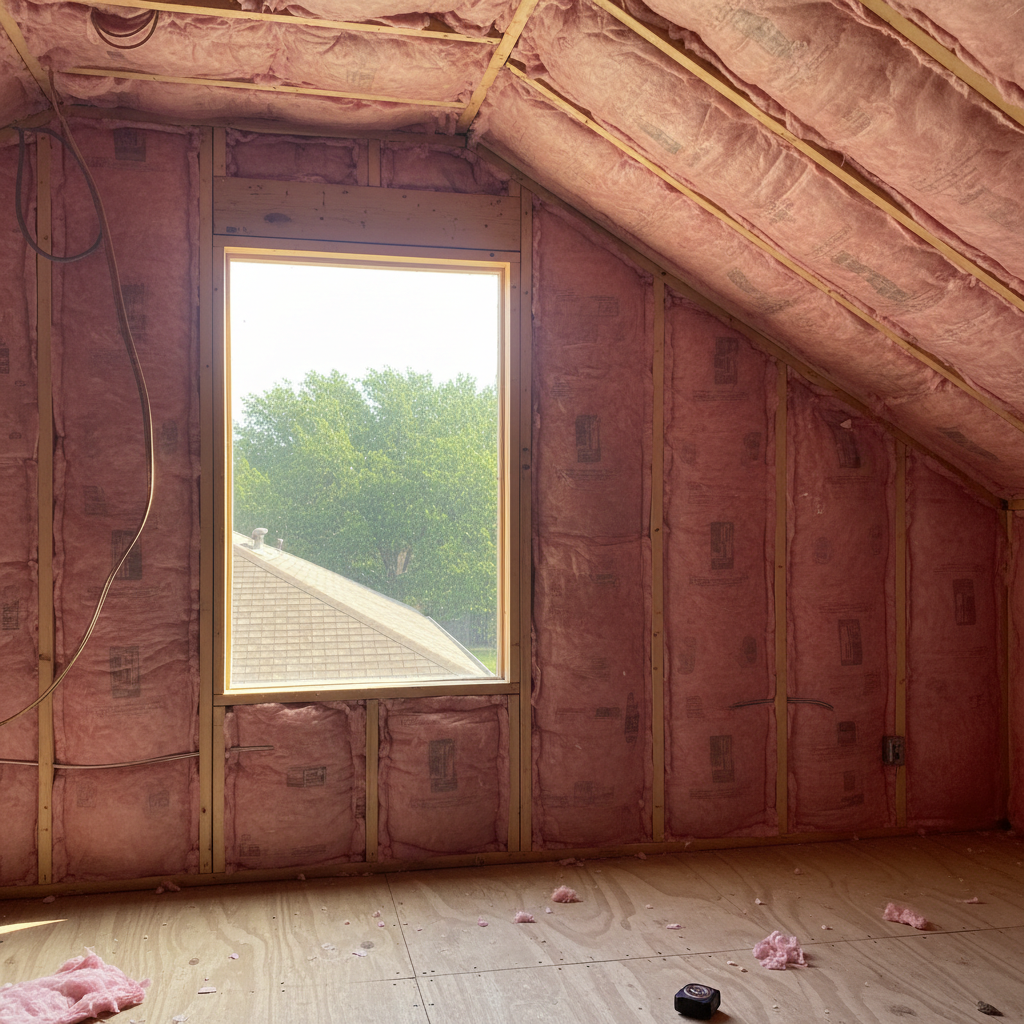
When's the best time to put batt insulation in your Irving home? That's a question I get asked a lot, and honestly, it's more complicated than just picking a free weekend. The Texas weather, especially right here in Irving, really dictates how well your insulation project will turn out, both during installation and for years down the road.
Getting the Timing Right for Your Batt Insulation
You might think, 'insulation's insulation, just stick it in!' But with batt insulation, particularly fiberglass or mineral wool, having the right conditions makes a real difference. We're talking about materials designed to trap air, and they do their best work when they're dry and go in without a struggle.
For us, the sweet spot for installing batt insulation usually falls in the milder seasons. Think early spring or late fall. Why then? Well, those brutal Irving summers, with temperatures often hitting triple digits, turn attics into absolute ovens. Working up there is tough, and it can actually mess with the material itself. High humidity, which we get plenty of around here, especially after a good rain, can also cause problems. Batts can soak up moisture, which compacts them and drops their R-value. Nobody wants that, right?
Winter isn't always perfect either. Sure, it's cooler, but if you've got any roof leaks or other moisture issues, those cold, damp conditions can make existing problems worse while we're trying to install. You really want a dry, fairly moderate environment for the best results.
Weather Conditions That Really Impact the Job
So, what specific weather conditions do we keep an eye out for? First off, rain is a big one. It sounds obvious, but you'd be surprised. If we're up in an attic and a sudden downpour hits, any hidden roof leaks suddenly become very, very clear. Getting batt insulation wet during installation is a definite no-go. It just ruins the material's integrity and R-value right from the start.
Humidity, like I mentioned, is another factor. Even if it's not raining, high outdoor humidity usually means high indoor humidity, especially in an attic that isn't perfectly sealed. We always aim for dry conditions to make sure the batts go in fluffy and stay that way. If the humidity's too high, the material can get heavy and sag, or even worse, become a perfect breeding ground for mold if it stays damp.
Extreme temperatures, both super hot and super cold, just make the job harder and less precise. When it's 105 degrees in your attic, installers move slower, take more breaks, and frankly, it's just not safe. The same goes for freezing temperatures, though that's less common here in Irving, thankfully. The goal is a smooth, efficient installation where every batt is cut and fitted perfectly, and that's just easier when everyone's comfortable.
Keeping Your Batt Insulation Investment Safe All Year
Once your batt insulation is in place, you'll want to protect that investment. It's not a set-it-and-forget-it kind of deal, especially with our climate. Here's what I tell folks:
- Keep it Dry: This is super important. Check your roof regularly for leaks, especially after storms. Look around vents, chimneys, and skylights. Even a tiny drip can saturate batts over time, leading to mold, less effectiveness, and expensive repairs. If you live in an older home, say in the Heritage District, with an older roof, this becomes even more critical.
- Make Sure There's Good Ventilation: Attics need to breathe, plain and simple. Good ventilation helps get rid of heat and moisture, which are both enemies of batt insulation. Double-check that your soffit and ridge vents aren't blocked. This stops moisture from building up and keeps your attic cooler in summer, letting your insulation work better.
- Pest Control: Rodents, birds, and insects just love to nest in insulation. They can squish it down, tear it up, and leave behind droppings that mess with your air quality. Seal up any entry points into your attic or crawl space. It's a small step, but it makes a huge difference.
- Don't Squish It: Avoid storing heavy items directly on top of batt insulation. When batts get compressed, they lose their ability to trap air, and their R-value drops significantly. Keep your storage to designated areas or use platforms if you absolutely need attic storage.
- Check It Regularly: Every couple of years, or if you suddenly notice your energy bills spiking, do a quick visual check of your insulation. Look for any signs of moisture, damage, or settling. If anything looks concerning, give us a call at Irving Spray Foam Insulation. We can take a look and suggest the best way forward.
Following these steps will help ensure your batt insulation performs at its best for years to come, keeping your home comfortable and your energy bills lower. It's all about being proactive, especially when you're dealing with the Texas elements.